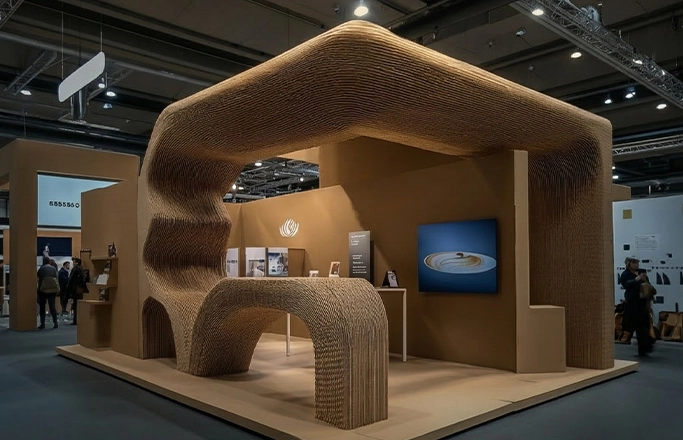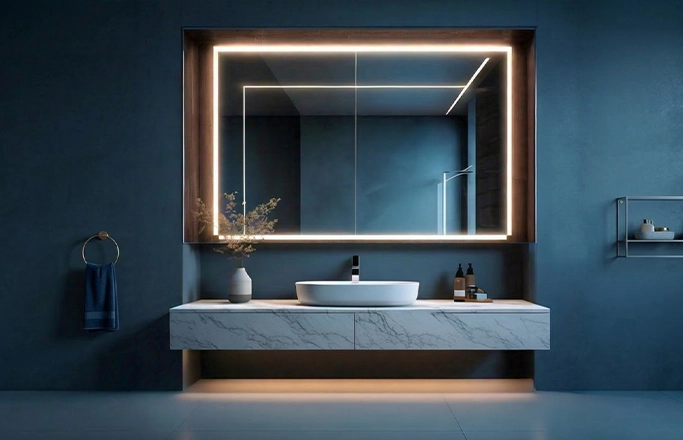
Solid surface materials are widely recognized for their durability, seamless appearance, and design versatility. However, the final quality and performance of a solid surface installation depend not only on the material itself but also on the precision of fabrication and the expertise of installation.
Professional fabrication and installation play a crucial role in ensuring that the finished surface meets both aesthetic expectations and long-term performance standards.
Why Fabrication Matters
Solid surface materials require specialized fabrication techniques to achieve their full potential. Unlike traditional surfaces that can be installed directly, solid surfaces must be cut, shaped, joined, and finished with precision.
During fabrication, raw sheets are transformed into customized components based on project specifications. This process involves careful measurement, technical detailing, and skilled craftsmanship.
Proper fabrication ensures:
When fabrication is carried out with advanced equipment and experienced technicians, the result is a high-quality surface that integrates perfectly into the overall design.
The Role of Technical Detailing
Before fabrication begins, technical detailing and shop drawings are essential. These drawings provide clear information about dimensions, joint placements, material specifications, and installation requirements.
Detailed planning helps avoid costly errors during fabrication and installation, ensuring that every component fits correctly within the project environment.
Coordination with architects, interior designers, and contractors is also critical at this stage to ensure design feasibility and proper execution.
Precision Installation for Perfect Results
Even the best fabrication can lose its value if installation is not handled properly. Professional installation teams ensure that surfaces are aligned correctly, joined seamlessly, and finished to perfection.
Installation involves:
Experienced installers also ensure that surfaces integrate smoothly with other architectural elements such as cabinetry, walls, and fixtures.
Quality Control and Inspection
Another important aspect of professional installation is quality control. Every surface should undergo inspection to ensure it meets performance and aesthetic standards.
This includes checking:
Careful inspection ensures that the final installation meets the expectations of both the client and the design team.
Long-Term Value for Clients
When solid surface fabrication and installation are handled by experienced professionals, clients benefit from:
Professional craftsmanship ultimately ensures that the material performs as intended while maintaining its aesthetic appeal for years.
Conclusion
Solid surface materials offer exceptional advantages in modern interiors, but their success depends heavily on the expertise behind fabrication and installation. Choosing experienced professionals ensures that every surface is crafted and installed with the precision required to deliver outstanding results.

Indiga Solid Surface FZ LLC was established in UAE as a part of Indiga Group of Companies in 2007 to work in the field of solid surfaces, and it has grown to a trusted name in quality services in the field.
Explore Now
Indiga Interior Design L.L.C., part of Indiga Group, delivers innovative, functional, and timeless interiors across residential, commercial, hospitality, retail, healthcare, and beauty projects worldwide.
Explore Now